Evaluate Uzbekistan by your route, activities, and personal circumstances. A trip through Tashkent, Samarkand, Bukhara, and Khiva needs different preparation from a remote border-area drive or mountain outing. Read your government's current advice alongside your itinerary and arrange insurance that covers what you intend to do.
On 28 October 2026, the U.S. State Department page displayed Level 1: Exercise Normal Precautions, with an advisory dated 26 January 2026. That is a dated assessment for U.S. travelers, not a promise about every destination or traveler. Check the page again before departure and use your own national guidance if you travel on another passport.
Read advice for the places you will visit
Check both the country overview and regional guidance. A recommendation for a city sightseeing trip does not establish the conditions on a mountain road or near a border. Ask your operator to identify the precise route for an excursion, including any permit or restricted-area question.
For European travelers, consult your national foreign ministry. The UK safety advice and German foreign ministry cover crime, local laws, and transport considerations. Advice written for British or German nationals may contain passport-specific information; use the appropriate consular service for your nationality.
Protect belongings in busy places
The UK guidance warns about pickpocketing and bag-snatching in crowded places, including bazaars and public transport. Plan how you carry valuables before entering a crowd:
- Keep a day bag closed and within sight.
- Separate the card you use during the day from your backup card.
- Avoid leaving a phone or wallet on the edge of an outdoor table.
- Keep luggage beside you during station and hotel transfers.
- Save copies of essential documents in a secure place you can access if your phone disappears.
If a stranger offers a service, ask the price and scope before accepting. For a guided visit, agree the duration, language, entrance charges, and total. Keep control of the decision when someone urges you to change plans or pay before explaining the service.
Choose transport you can identify
Use an officially marked taxi, a ride-hailing booking, or an arranged hotel transfer. Match the driver and vehicle to your booking and confirm the destination before leaving. Share your hotel address in a form the driver can read.
Ask for a seat belt and arrange a suitable child seat when traveling with children. A vehicle photograph on a booking page does not confirm the equipment in the car that arrives. If an arrangement feels wrong, return to a staffed public area and contact the provider.
For longer journeys, use a timetable and transfer plan you can verify. Avoid creating pressure to accept an unsuitable ride because a connection leaves no margin. Our transport guide explains the booking checks.
Solo travelers and women traveling alone
Choose accommodation where you understand the check-in arrangements and can contact staff after hours. Read recent reviews for the exact property and room category. For a late arrival, arrange transport before departure and keep the provider's number offline.
You can decide how much personal information to share with someone you have just met. If you want to leave a conversation or excursion, move toward a staffed venue and ask for help. A planned contact at home and a simple check-in arrangement can make an unfamiliar route easier to manage.
Tourism marketing and another traveler’s experience cannot establish your individual comfort or safety. Consider your route, transport access, and the support you would want if plans change.
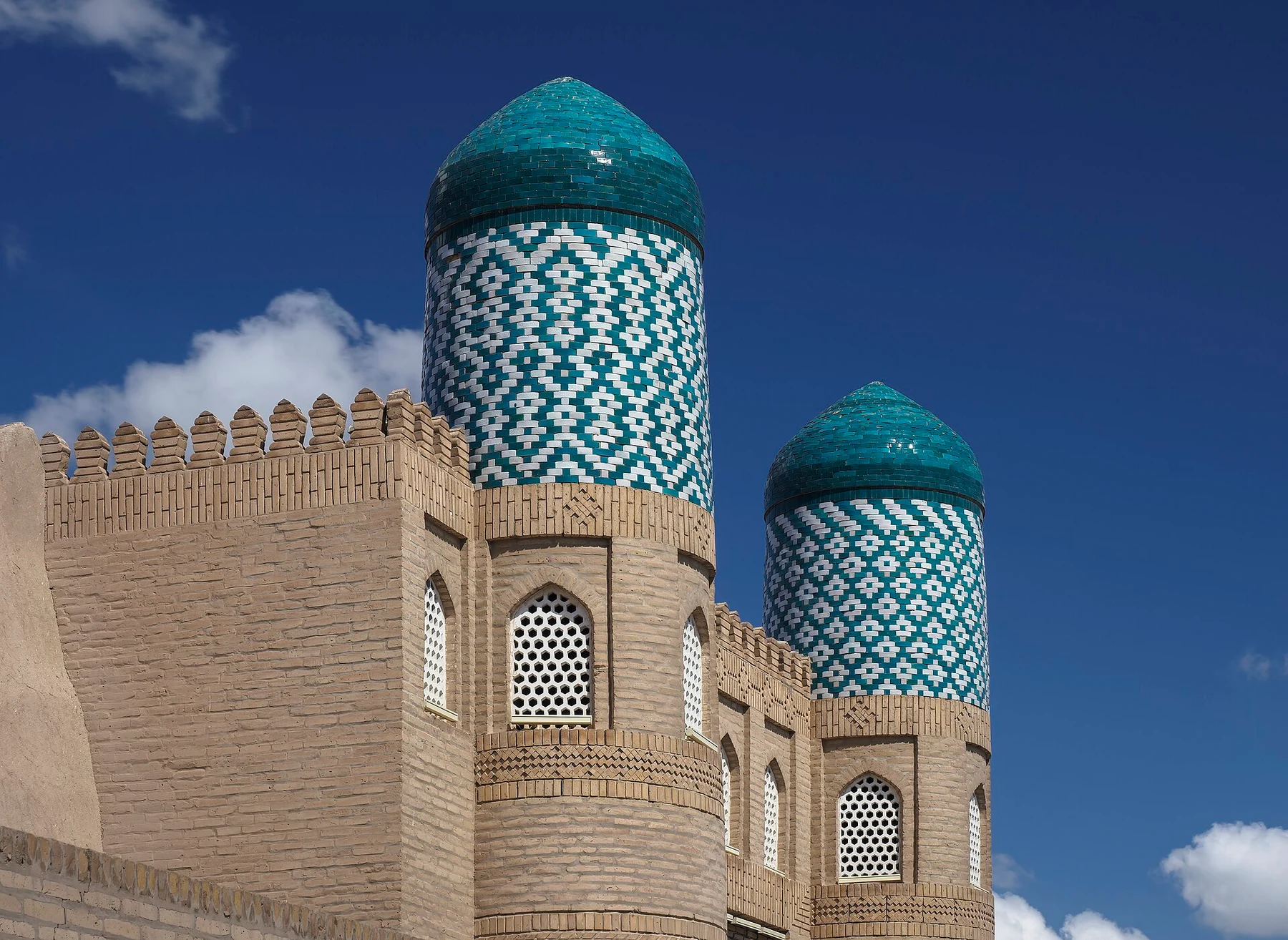
Ko‘hna Ark towers, Khiva. Photo: Petar Milošević. CC BY-SA 4.0.

LGBTQ+ travelers: review the legal risks
The U.S. country guidance on gay and lesbian travelers says sexual relations between men are criminalized. The German foreign ministry also warns about this law and social risks for LGBTQ+ travelers. These are material considerations when deciding whether and how to visit.
Read the current specialist advice before booking and consider privacy, public displays of affection, and whom you share personal information with. If you need clarification, contact your national consular service through its official channels. A general statement that a country is welcoming should not replace this assessment.
Passports, photography, and local rules
Keep your passport accessible and protect it from loss. Read the identification requirements in your national advice and keep a separate copy for recovery. A photocopy may help if the original is lost, but confirm what authorities require you to carry.
Ask permission before photographing people. Follow signs and staff instructions at religious sites, museums, and transport facilities. German guidance warns that restrictions at strategic facilities may not have visible signs. If you are uncertain near a checkpoint or security installation, ask before taking photographs.
Prepare for religious sites with clothing that covers the areas required by that site and footwear you can remove when asked. Learn the rules from the people responsible for the place rather than from a social-media photograph.
Insurance and healthcare preparation
Buy insurance that covers the destinations, activities, and medical assistance you may need. Check the medical-evacuation terms, the excess, pre-existing-condition disclosure, and how to contact the assistance team from Uzbekistan. Keep the policy number and emergency contact offline.
The UK health page recommends checking that appropriate care is available and highlights evacuation coverage. Speak with a travel-health clinician about your needs before departure. For U.S. travelers, use the CDC destination page for current health preparation. European health-insurance arrangements should not be assumed to provide the same cover here as at home.
For an outdoor trip, ask the operator about weather decisions, communication, and evacuation access. Match the route to your ability and preparation. A city-based holiday and a high-altitude activity need different insurance checks.
Save the right emergency contacts
The UK health guidance lists 103 for an ambulance. Save your hotel's number, insurer's assistance line, and your own embassy or consulate's official contact page. Confirm police and other service contacts through current official guidance on arrival rather than relying on a number shared in an old forum.
If you lose a passport, contact local authorities and your national consular service for the required process. Ask your insurer what documentation they need for a claim. Keep records of reports and replacement bookings, but avoid posting identity documents in public groups.
Money and digital security
Use a payment plan with a backup card and an appropriate cash reserve. Check payment requests against the provider and booking you intended to use. Keep online banking and travel accounts protected with authentication you can access abroad.
Avoid giving account passwords or one-time security codes to someone offering to solve a booking problem. Use the provider’s own site or the contact from your confirmed booking. Our money guide and phone guide cover payment access and connectivity.
Before you commit to the trip
Review the route with current national advice, confirm accommodation and arrival transport, and check insurance exclusions. Save important contacts and share the itinerary with someone you trust. Revisit advice if your dates, route, or personal circumstances change.
For practical arrival steps, use your first 24 hours in Tashkent. Check the separate visa and registration guides before travel so an administrative problem does not disrupt the trip.
Sources and review
We checked the linked U.S., UK, German, and health-agency guidance on 28 October 2026. Assessments and conditions can change. The preparation suggestions here support your planning; your government’s current advice and your personal circumstances should guide your decision.
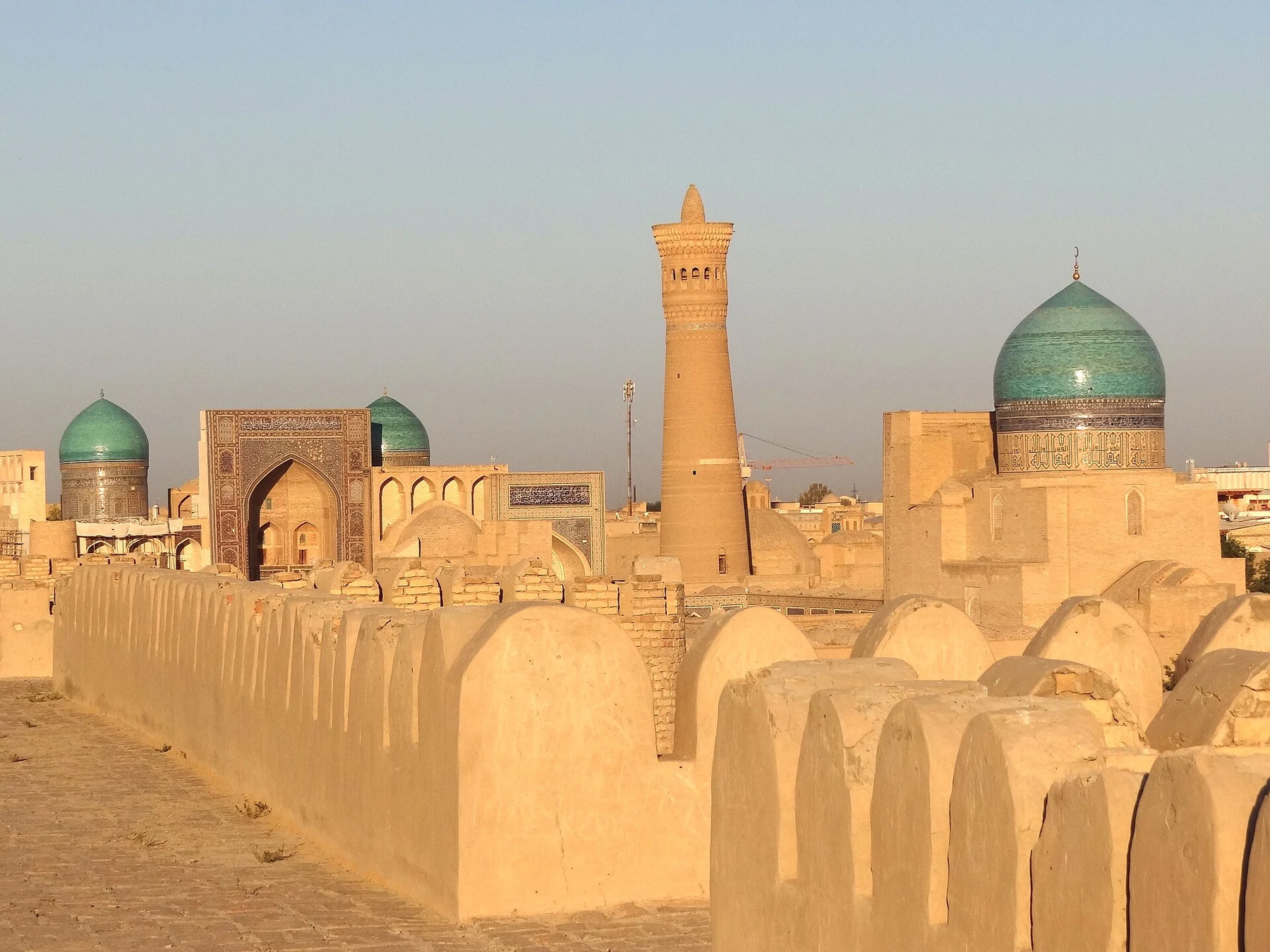
Historic Bukhara in warm evening light. Photo: Adam Jones from Kelowna, BC, Canada. CC BY-SA 2.0.
